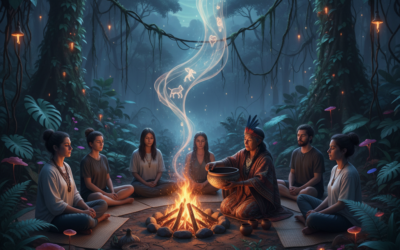
Imbolc 101: The Meaning of This Seasonal Celebration and How to Honor It
As winter lingers but the days slowly grow longer, many of us start craving a fresh start. That’s exactly what the meaning of Imbolc is all about. Celebrated on February 1st, this ancient Celtic festival marks the midpoint between winter and spring, symbolizing renewal, hope, and the return of the light. While Imbolc has Pagan roots, its themes of new beginnings, inner reflection, and seasonal shifts make it a meaningful celebration for anyone looking to reset and embrace change. Whether you’re interested in seasonal rituals, connecting with nature, or simply learning about the history behind this lesser-known holiday, here’s everything you need to know about the meaning of Imbolc—and how to honor it in your own way.
The history and origins of Imbolc
Imbolc is a festival that marks a powerful shift in the seasonal cycle, deeply rooted in Celtic tradition. One of the four major fire festivals in the ancient Celtic calendar (alongside Beltane, Lughnasadh, and Samhain), Imbolc celebrates the returning light of spring. Traditionally tied to the Gaelic goddess Brigid, who represents fertility, healing, poetry, and the forge, Imbolc is all about renewal and new beginnings.
The name “Imbolc” comes from the Old Irish word Oimelc, which means “in the belly,” symbolizing the earth’s pregnancy as it readies itself for the upcoming spring. The festival focuses on the awakening life force beneath the frost, making it a celebration of growth and rebirth. This connection to nature’s cycles is central to Imbolc’s spirit, and it invites us to reflect on the potential that’s about to bloom in our lives.
Historically, Imbolc marked a time of purification and preparation. It was a moment when winter’s harshness began to fade, making way for the first signs of spring to emerge. People celebrated this transition with candles and bonfires, symbolizing the return of light and warmth. These flames not only represented the physical return of the sun but also the hope and rejuvenation that accompanied the longer days. For ancient agricultural societies, Imbolc was a time for planning the year ahead and anticipating the growth that would follow.
As Christianity spread through the Celtic regions, many Imbolc customs evolved into Christian practices. Brigid’s celebration transformed into St. Brigid’s Day, honoring the saint who became a significant figure in Irish culture. However, even with Christian influences, the core themes of Imbolc—light, renewal, and fertility—have remained. Today, Imbolc is celebrated by Pagans and anyone who seeks to connect with the earth’s natural rhythms, offering a chance to reflect on the cyclical nature of life and honor the changing seasons.

Traditions and customs associated with Imbolc
Imbolc traditions are rich in meaning, varying by region and community, yet they all center around themes of renewal and light. One of the most well-known customs is the creation of Brigid’s crosses, crafted from rushes or straw. These crosses are hung in homes to provide protection and blessings, honoring the goddess Brigid while invoking safety and abundance. This practice often brings families together, who weave the crosses and share stories, creating a sense of community.
Lighting candles is another key tradition of Imbolc, symbolizing the return of the sun. People often light candles or bonfires at home or outdoors, bringing warmth and light into their lives. In some regions, placing candles in windows is a way to welcome the growing light and offer hospitality to travelers. This simple but meaningful act serves as a powerful reminder of hope and the lengthening days, strengthening the sense of unity within communities.
Purification rituals also play an important role during Imbolc. Many people engage in practices like burning sage, taking ritual baths, or meditating to cleanse the self and home. This symbolic act of clearing out the old and making space for the new mirrors the season’s theme of renewal. These customs allow individuals to align with the energetic shift of the season, helping them prepare for the growth and transformation that spring promises.
The spiritual meaning of Imbolc
Imbolc holds deep spiritual significance, reflecting themes of rebirth, renewal, and inner awakening. This time of year encourages personal reflection, inviting individuals to consider what they wish to nurture in their lives as the seasons shift. The goddess Brigid, a symbol of light and inspiration, serves as a guide during this introspective period, encouraging people to set intentions for the year ahead and focus on personal growth.
Imbolc also highlights the balance between light and shadow in our lives. As winter’s chill gives way to the warmth of spring, the festival reminds us that growth often arises from confronting both difficult emotions and joyous moments. This duality teaches acceptance and understanding, facilitating profound personal transformation.
Moreover, Imbolc fosters a deeper connection with nature and the earth’s rhythms. As the first signs of life appear—like sprouting bulbs and returning birds—celebrants are reminded of their interconnectedness with all living beings. This connection fosters gratitude and a sense of responsibility to care for the environment. By honoring the cycles of nature, those who celebrate Imbolc are encouraged to honor their own cycles of growth and renewal, creating harmony with both themselves and the world around them.
Imbolc Rituals Guide
If you’re craving more guidance, I invite you to check out my Imbolc Rituals Guide. This is a digital Book of Shadows from me to you. In these pages, you’ll learn traditions & rituals to help call in the birth of Spring. This 30-page workbook is accessible both digitally and physically and will walk you through key themes of Imbolc, plus eight Imbolc rituals with guided instructions.
I really hope you enjoy the magic I’ve put in these pages for you! In this celebration of the Wheel of the Year, I hope we can all bring just a bit of magic and wonder back into our daily lives. Thank you for celebrating with me.

How to celebrate Imbolc
There’s no one “right” way to celebrate Imbolc, which makes it easy to personalize. One of the simplest and most meaningful ways to honor this seasonal shift is by creating a small altar. Think candles, crystals, fresh flowers, or even an image of Brigid, the Celtic goddess associated with Imbolc. Adding greenery or spring blooms symbolizes awakening and new growth, making your space feel aligned with the season’s energy. Setting up an altar with intention can be a beautiful way to reflect, set goals, and welcome fresh beginnings.
If you’re more of a social butterfly, gathering with friends or loved ones is another great way to celebrate. Host a cozy get-together with seasonal foods, candle lighting, or a guided meditation—anything that embraces warmth and renewal. Even something as simple as a nature walk or sharing stories can make the day feel extra special.
And if solo rituals are more your vibe, journaling is a perfect Imbolc practice. Use this time to reflect on the past year, set new intentions, or simply write about what’s on your mind. As a festival of light, transformation, and fresh starts, Imbolc is the perfect excuse to check in with yourself and embrace the energy of a new season.
Imbolc rituals and ceremonies
Imbolc rituals are all about purification, intention-setting, and welcoming back the light. One of the most popular traditions is lighting candles, which represent the growing warmth and light of the sun as we transition toward spring. Many people light a candle for each intention they want to manifest, using the flames as a visual reminder of their hopes and dreams for the season ahead. It’s not just a beautiful way to brighten your space—it’s a powerful symbol of the energy and vitality spring brings with it.
Another cherished Imbolc ritual is making Brigid’s crosses, which can be both a spiritually significant and creative activity. As you weave these crosses from rushes or straw, focus on the intentions you want to manifest for the year. You can pair the process with chants or prayers to invite Brigid’s blessings of protection and abundance. Once completed, these crosses are often hung in the home, acting as a symbol of positivity while keeping negativity at bay—another perfect representation of Imbolc’s themes of light and renewal.
For those who feel connected to nature, outdoor ceremonies are another great way to celebrate Imbolc. Gathering in a natural setting allows you to honor the earth during this transitional period. Offering flowers or herbs to the land expresses gratitude and reinforces the interconnectedness of all life. Whether you’re reflecting, meditating, or simply soaking in the energy of the earth, these moments in nature can inspire personal growth and deepen your connection to the season.

Imbolc crafts and decorations
Celebrating Imbolc through crafting and decorating is a fun and meaningful way to bring the season’s energy into your home. In addition to the aforementioned Brigid’s crosses, adding seasonal decorations to your space is a lovely way to get into the spirit of Imbolc. Incorporate elements like candles, fresh flowers, and greenery to represent light and renewal. Crafting garlands with dried herbs or flowers can also fill your home with the colors and scents of spring, making your space feel warm and welcoming as you celebrate the changing seasons. These decorations don’t just look pretty—they also invite light and positive energy into your life.
Another creative craft idea is to design an Imbolc wreath. Using natural materials like twigs, dried flowers, and evergreens, you can create a wreath that reflects the balance between winter and spring. Hang it on your door or wall as a symbol of the season’s transition. And as you work on your craft, infuse it with your personal intentions, making it a reflection of what you hope to manifest in the coming months.
Foods and recipes for Imbolc
Food is a central part of Imbolc celebrations, and the seasonal dishes reflect the themes of renewal and nourishment. As Imbolc marks the start of the agricultural year, it’s a time to honor the earth’s gifts. Hearty grains, dairy products, and root vegetables are common ingredients, symbolizing comfort and abundance. A traditional favorite is colcannon, an Irish dish made with mashed potatoes, cabbage, and butter. It’s the perfect dish to celebrate the season’s bounty.
Baking bread is another cherished Imbolc tradition. It represents the warmth of the hearth and the nurturing energy of the earth. Irish soda bread, often flavored with caraway seeds or currants, is a classic choice that’s delicious when shared with loved ones. The act of baking can also be meditative, offering time to reflect on your intentions while connecting with the nourishing energy of the season.
For a cozy treat, enjoy brewing some herbal teas made with seasonal herbs like chamomile or peppermint. These warm drinks are perfect for the lingering winter chill and can be enhanced with honey or lemon. Sharing a cup of tea is a simple yet meaningful way to connect with others while honoring the healing properties of nature.
Connecting with nature during Imbolc
Connecting with nature is a beautiful way to celebrate Imbolc and honor the seasonal shift. One simple way to do this is by going for a walk in nature and noticing the early signs of spring. Look for budding trees, the first crocuses, or listen for the sounds of birds returning. Taking time to appreciate these signs of renewal helps you stay grounded and connected to the rhythms of the earth.
Another way to engage with nature is through gardening. As spring approaches, many people begin planning their gardens and preparing the soil for planting. Whether you start seeds indoors or tend to your winter crops, gardening is a hands-on reminder of the growth and potential that comes with Imbolc. Plus, it offers a quiet space for reflection, helping you connect with your inner self.
Outdoor rituals are another lovely way to honor the season. You can create a small outdoor altar with natural elements like stones, branches, and flowers. Offering gratitude to the earth or performing a simple blessing can deepen your connection to nature and enhance your Imbolc experience. Being outside during this transitional time reminds us of the interconnectedness of all living things and invites a sense of peace and renewal.
Embracing the spirit of Imbolc throughout the year
Carrying the spirit of Imbolc with you throughout the year can help keep its themes of renewal, hope, and connection alive in your daily life. One way to do this is by setting intentions not only during Imbolc but also regularly throughout the year. Make it a habit to check in on your goals, and keep a vision board or journal that helps you stay focused on your journey.
Incorporating seasonal rituals into your everyday life can also help you stay connected to the earth’s cycles. For example, light a candle to mark the start of each new season, honoring the shift from one time to the next. You can also spend more time outdoors, whether through gardening, hiking, or simply enjoying nature. Doing so fosters a continuous sense of grounding and connection to the earth.
Lastly, embrace the Imbolc themes of community and connection by engaging in acts of kindness or supporting local initiatives. Doing so will help you feel part of a larger community and keep the spirit of Imbolc alive long after the holiday. Nurturing your relationships and embracing gratitude will create a ripple effect of positivity, encouraging growth and renewal wherever you go.
Imbolc Rituals Guide
If you’re craving more guidance, I invite you to check out my Imbolc Rituals Guide. This is a digital Book of Shadows from me to you. In these pages, you’ll learn traditions & rituals to help call in the birth of Spring. This 30-page workbook is accessible both digitally and physically and will walk you through key themes of Imbolc, plus eight Imbolc rituals with guided instructions.
I really hope you enjoy the magic I’ve put in these pages for you! In this celebration of the Wheel of the Year, I hope we can all bring just a bit of magic and wonder back into our daily lives. Thank you for celebrating with me.
Sierra Vandervort
Hey there 👋 I’m Sierra – welcome to my website!
I’m a writer, mindfulness coach, and community builder located in the here and now.
I’m here to help you connect to something bigger, find your tribe & live in total abundance!