What Is the Wolf Moon? The Mystical Meaning Behind January’s Full Moon
As the crisp January air settles in and the nights grow longer, the first full moon of the year—known as the Wolf Moon—rises in the sky. But what is the Wolf Moon, and what makes it so special? Rooted in folklore and natural cycles, this lunar event is said to inspire introspection, transformation, and connection to our primal instincts. Whether you’re a seasoned moon enthusiast or simply curious about its mystical allure, there’s so much to uncover about this unique phase of the lunar calendar. In this article, we’ll dive into the history, meaning, and ways to celebrate the Wolf Moon.
Origins and Folklore of the Wolf Moon
The term “Wolf Moon” has its roots in Native American traditions, particularly among tribes in the northern and eastern parts of the United States. January’s full moon was named for the howling wolves that were often heard during the cold winter nights. These wolves would howl in hunger, their calls echoing through the barren landscapes, a reminder of the harsh conditions that many animals, including humans, faced during this time of year. The name reflects not only the natural world but also the deep connection that indigenous tribes had with their environment, as they observed the behaviors of wildlife to gauge the changing seasons.
In addition to its association with wolves, the Wolf Moon carries other names steeped in folklore. Some cultures referred to it as the “Old Moon” or the “Ice Moon,” highlighting the bitterly cold temperatures and the prevalence of ice during January. Each name encapsulates the essence of winter, offering insights into how ancient peoples perceived and interacted with the world around them. These various interpretations serve as a testament to humanity’s enduring fascination with the moon and its phases, which have been used for timekeeping and agricultural practices for centuries.
As the Wolf Moon rises, it invites individuals to reflect on their own inner wolves—those primal instincts and desires that often lie dormant beneath the surface. Folklore surrounding the Wolf Moon suggests that this celestial event encourages individuals to tap into their wildness and embrace their true selves. By exploring the origins of the Wolf Moon, we can better understand the significance of this lunar phenomenon and how it has shaped cultural narratives throughout history. This deeper appreciation of the Wolf Moon’s folklore paves the way for a richer experience as we engage with its energy and meaning.
The Significance of the Wolf Moon in Different Cultures
Throughout history, various cultures have attributed unique meanings to the Wolf Moon, reflecting their values, beliefs, and practices. For many Indigenous peoples, the full moon in January marks a time for reflection and renewal. It is a period when communities come together to share stories, celebrate the resilience of nature, and honor their ancestors. The Wolf Moon symbolizes the strength of community bonds, as families and friends gather to support one another during the harshness of winter. This sense of togetherness and unity is vital during a time when survival often hinges on cooperation and shared resources.
In European traditions, the Wolf Moon was similarly viewed as a time of introspection and preparation for the year ahead. The Celts, for instance, recognized the importance of the January moon in their agricultural calendar. It signified the end of the old year and the beginning of new cycles. They celebrated this time with rituals designed to honor the moon and invoke blessings for the coming months. The Wolf Moon was seen as a powerful force that could help individuals manifest their intentions, paving the way for growth and transformation in the year to come.
Moreover, in astrology, the Wolf Moon serves as a reminder of the need for balance between our instinctual nature and the rational mind. This full moon encourages a deeper understanding of our emotional landscape and urges us to confront anxieties and fears. It encourages individuals to embrace their shadow selves, promoting healing and self-awareness. By recognizing the cultural significance of the Wolf Moon, we can better appreciate how it resonates with our collective experiences and influences our spiritual journeys.
Astrological Meaning of the Wolf Moon
Astrologically, the Wolf Moon usually occurs when the moon is in the sign of Cancer, which is known for its emotional depth and intuitive wisdom. Cancer is ruled by the Moon itself, making this lunar phase particularly potent for introspection and self-discovery. During the Wolf Moon, individuals may find themselves more in tune with their feelings and emotions, as well as those of others. This heightened sensitivity can lead to revelations regarding personal relationships and emotional connections, prompting individuals to seek deeper bonds with loved ones.
The energy of the Wolf Moon also encourages us to embrace our inner strength and resilience. As the moon illuminates the night sky, it serves as a reminder that we, too, have the power to navigate the darkest times with grace and courage. This lunar phase invites us to confront our fears and insecurities, pushing us to break free from self-imposed limitations. It’s a time for setting intentions that align with our true selves, allowing us to step into our power and create positive changes in our lives.
Additionally, the Wolf Moon is often associated with themes of transformation and rebirth. Just as the wolves howl to communicate with one another, this lunar event encourages us to express our innermost thoughts and feelings. Whether through journaling, artistic expression, or open conversations, the Wolf Moon urges us to vocalize our desires and dreams. By harnessing this astrological energy, we can cultivate clarity and purpose as we move forward into the new year, making the most of the opportunities that lie ahead.

Rituals and Practices Associated with the Wolf Moon
Engaging in rituals during the Wolf Moon can deepen our connection to its mystical energy and guide us in our personal growth. One common practice is to create a moon altar, a sacred space adorned with items that resonate with the moon’s energy. This can include crystals, candles, herbs, or photographs that represent your intentions for the year ahead. As the full moon rises, take a moment to meditate at your altar, reflecting on what you wish to release and what you want to manifest. This practice not only honors the moon but also allows for a deeper understanding of your inner self.
Another powerful ritual is the practice of journaling. Under the light of the Wolf Moon, find a quiet space where you can freely write about your thoughts, emotions, and aspirations. Consider the themes of transformation and renewal as you reflect on the past year and outline your intentions for the months to come. This act of writing can serve as a cathartic release, helping you gain clarity on your desires and fears. As you journal, you may also wish to include affirmations that resonate with your goals, reinforcing your commitment to personal growth.
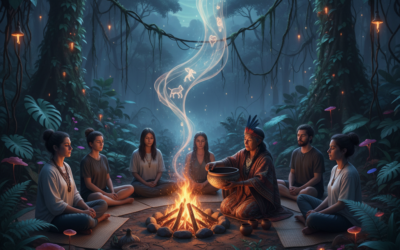
Finally, consider gathering with friends or family to celebrate the Wolf Moon together. Whether through a simple gathering around a fire, sharing stories, or engaging in group meditations, collective rituals can amplify the energy of this lunar phase. Encourage participants to share their intentions and dreams, fostering a sense of community and support. By coming together under the Wolf Moon, you not only honor its significance but also create lasting bonds with those around you, reinforcing the idea that we are all interconnected on this journey of life.
Embracing the Energy of the Wolf Moon
As January’s Wolf Moon graces the night sky, it invites us to pause, reflect, and embrace the energy of transformation it holds. This celestial event serves as a powerful reminder of our connection to nature and the cycles that govern our lives. By understanding the origins and significance of the Wolf Moon, we can cultivate a deeper appreciation for its mystical allure and the ways it resonates with our personal journeys.
Incorporating rituals and practices into our lives during this lunar phase allows us to harness its energy for introspection and growth. Whether through creating a moon altar, journaling, or celebrating with loved ones, these activities can foster a stronger connection to ourselves and the world around us. The Wolf Moon encourages us to listen to our inner voices, confront our fears, and embrace our true selves as we navigate the complexities of life.
Ultimately, the Wolf Moon is an invitation to honor our primal instincts while also seeking balance within ourselves. As we move forward into the year, let us carry the lessons and insights gleaned from this powerful lunar event, allowing it to guide us toward a path of authenticity, connection, and transformation. Embrace the energy of the Wolf Moon, and let it illuminate your journey in the months to come.
Sierra Vandervort
Hey there 👋 I’m Sierra – welcome to my website!
I’m a writer, mindfulness coach, and community builder located in the here and now.
I’m here to help you connect to something bigger, find your tribe & live in total abundance!